 lilora
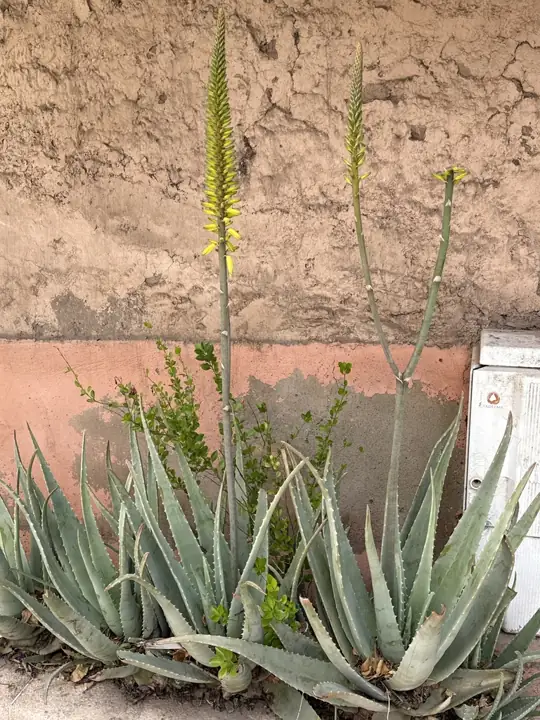
Aloe vera is a succulent from the Arabian Peninsula. It needs the sunniest spot you have, a gritty, free-draining mix in a pot with holes, and a complete dry-down between waterings, with very little water in winter. Overwatering is the usual way to lose one. The ASPCA lists it as toxic to cats and dogs. NC State Extension
Light
Grow it in full sun to partial shade. The RHS describes aloes as enjoying full sun and dry conditions, such as a sunny windowsill. In too little light, leaves become pale, thin and floppy and the rosette stretches. If moving an aloe from shade into strong sun, do it over a week or two to avoid scorch. NC State Extension · RHS
The indoor light guide helps you find the brightest position.
How to check before watering
Allow the mix to dry completely between waterings, and water less often in winter; the RHS says hardly at all. Check down to the bottom of the pot with a wooden skewer, or lift the pot: a dry aloe pot is noticeably light. Then water thoroughly and let all the excess drain. NC State Extension · RHS
Firm, plump leaves usually mean the plant has reserves. The watering guide explains moisture checks.
Potting mix and pot
Use a very well-drained mix suitable for succulents, in a pot with several drainage holes. NC State notes that clay pots are best, as they dry faster and add weight against tipping. NC State Extension
Humidity and temperature
The RHS notes that aloes dislike humid atmospheres and cannot cope with freezing temperatures. A warm, bright, airy room suits them; keep them away from frost-cold glass in winter. RHS
Feeding
The RHS suggests a liquid feed once a month during the growing season (April to September in the UK) and no feeding in winter. RHS
Common problems
- Soft, translucent or collapsing leaves: overwatering and root rot are likely; check the roots.
- Pale, stretched growth: too little light.
- Pests: NC State lists mealybugs and aphids; it also mentions scale, leaf spot, aloe rust and sooty mould.
See the yellow-leaf checks for a broader approach.
Propagation
Aloe vera spreads by offsets (pups) at the base. Separate an offset with some roots when repotting, let any cut surface dry, then pot it in dry succulent mix and wait a few days before watering. NC State Extension
Pets and people
The ASPCA Animal Poison Control Center lists aloe as toxic to cats and dogs. It names saponins and anthraquinones as toxic principles and lists vomiting, lethargy and diarrhoea as signs. NC State Extension notes that the latex can irritate skin and that ingestion can cause abdominal cramping and diarrhoea. Garden aloe is not a home remedy for pets. If a pet chews it, contact a veterinarian or an animal poison control service. For people in Türkiye, the poison information line is 114 (UZEM). This is general information, not veterinary or medical advice.
Common questions
How often should I water aloe vera?
Only when the mix is completely dry, which can take several weeks, and very rarely in winter.
Why is my aloe falling over?
Usually too little light or a rotting base. Check both.
Can aloe live on a north-facing windowsill?
It needs much more light than that in most homes; choose the brightest window.