 lilora
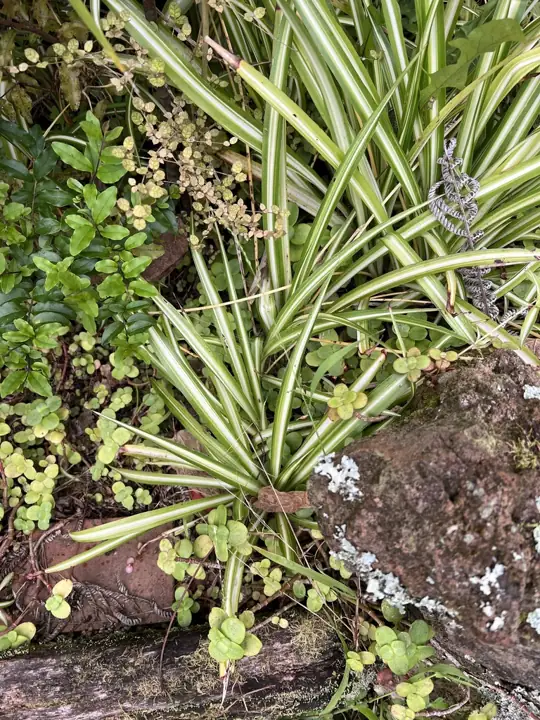
Spider plant is a forgiving, fast-growing houseplant from tropical and southern Africa. Give it medium light without direct sun, keep the mix lightly moist in growth, and use rain or filtered water if tap water browns the leaf tips. It produces plantlets on long stems that root easily. The ASPCA lists it as non-toxic to cats and dogs. NC State Extension
Light
Spider plant prefers medium light and tolerates shade, but it does not like direct sunlight. A spot a little back from a bright window, or a well-lit shelf, suits it. Variegated forms keep their stripes better with good indirect light. NC State Extension
Read more in the indoor light guide.
How to check before watering
It grows best in moist soil and tolerates short dry spells. During growth, water when the surface of the mix has dried; in winter, reduce watering. Thick white roots store water, so a slightly dry pot is less risky than a constantly wet one. NC State Extension
The watering guide explains how to combine touch and pot weight.
Potting mix and pot
A loam-based or general houseplant mix with good drainage suits it. Fleshy roots can fill a pot quickly and even lift the plant; repot or divide when roots crowd the surface.
Humidity and temperature
Medium humidity is enough; a humidifier or pebble tray helps in very dry air. Keep it above 7 °C (45 °F). NC State Extension
Feeding
Feed lightly during spring and summer. NC State warns that over-fertilizing reduces plantlet formation. NC State Extension
Common problems
- Brown leaf tips: NC State links them to chlorine and fluoride in tap water. Try rainwater or filtered water and avoid fertilizer build-up.
- Pale, limp leaves with wet mix: check drainage.
- No plantlets: plants often make runners after several weeks of short days and long uninterrupted nights; heavy feeding also reduces them.
See the yellow-leaf checks for broader troubleshooting.
Propagation
Spider plant propagates easily from plantlets or by division. Pin a plantlet onto moist mix while it is still attached, or root it in water, then cut the runner once roots form. NC State notes that runners form when the plant receives less than 12 hours of light a day for at least three weeks. NC State Extension
Pets and people
The ASPCA Animal Poison Control Center lists spider plant as non-toxic to cats and dogs, and NC State Extension tags it the same way. Non-toxic does not mean a pet can eat it freely: chewing plant material can still upset a stomach, and cats are often drawn to the dangling leaves. Hang it out of reach if your cat chews it. If a pet seems unwell, contact a veterinarian. For people in Türkiye, the poison information line is 114 (UZEM). This is general information, not veterinary or medical advice.
Common questions
Why does my spider plant have brown tips?
Tap-water chemicals, dry air and fertilizer build-up are common causes. Change one thing at a time.
When should I cut off the plantlets?
Once they have roots of a few centimetres, or leave them on for a fuller hanging plant.
Is spider plant safe for cats?
The ASPCA lists it as non-toxic to cats and dogs. Still discourage chewing.