 lilora
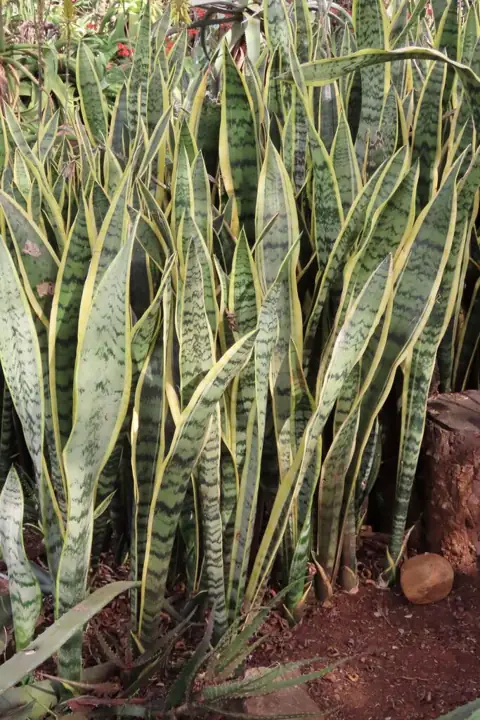
Snake plant, long sold as Sansevieria trifasciata, is now placed in Dracaena. It stores water in thick, upright leaves, tolerates very low light and dry air, and rots if kept wet. Let the mix dry between waterings and water very sparingly in winter. The ASPCA lists it as toxic to cats and dogs. Kew, Plants of the World Online
Light
Snake plant tolerates very low light, which makes it useful for hallways and rooms away from windows. It still grows more steadily with brighter light, including some direct sun. If you move a plant from a dim corner to a sunny sill, do it gradually so the leaves are not scorched. NC State Extension
The indoor light guide explains why “low light” never means “no light”.
How to check before watering
From spring to autumn, let the mix dry between waterings. Check deep in the pot, not just the top: the whole root zone should feel dry and the pot light. In winter, NC State suggests watering only every one to two months; use that as an upper guide and still check first. NC State Extension
When you water, soak the mix and let it drain completely. Never leave the pot standing in water. The watering guide shows how to read pot weight.
Potting mix and pot
Use a well-drained, gritty mix such as a cactus and succulent compost, in a pot with drainage holes. A heavy terracotta pot helps stop tall plants tipping over. Snake plants tolerate being somewhat crowded; repot when the rhizomes bulge against the pot or the plant becomes unstable.
Humidity and temperature
Dry indoor air is not a problem. The plant tolerates cool spells around 10 °C (50 °F) but is not frost-hardy; keep it in a normally heated room in winter and away from cold glass. NC State Extension
Feeding
Growth is slow, so feeding needs are modest. A light feed with houseplant fertilizer once or twice during the growing season is plenty; skip it in winter.
Common problems
- Soft, collapsing leaves at the base: NC State warns that overwatering causes root rot. Check the rhizomes and roots; firm tissue is a good sign.
- Mealybugs and spider mites: inspect the leaf bases.
- Wrinkled leaves: can follow a long dry spell, but check the roots before watering heavily.
See the yellow-leaf checks before changing care.
Propagation
Divide an overcrowded clump at repotting time, giving each piece roots and leaves. Leaf cuttings also root, but variegated forms often grow back with plain green leaves. NC State Extension
Pets and people
The ASPCA Animal Poison Control Center lists snake plant (mother-in-law’s tongue) as toxic to cats and dogs. It names saponins as the toxic principle and lists nausea, vomiting and diarrhoea as signs. If a pet chews it, contact a veterinarian or an animal poison control service. For people in Türkiye, the poison information line is 114 (UZEM). This is general information, not veterinary or medical advice.
Common questions
How often should I water a snake plant?
There is no fixed number. Water when the whole root zone is dry, which may take weeks, and less in winter.
Can it grow in a bathroom with no window?
Not without light. It tolerates low light, but it still needs a window or a grow light.
Why is it called Dracaena now?
DNA studies placed Sansevieria inside Dracaena. Kew accepts Dracaena trifasciata; the care stays the same.