 lilora
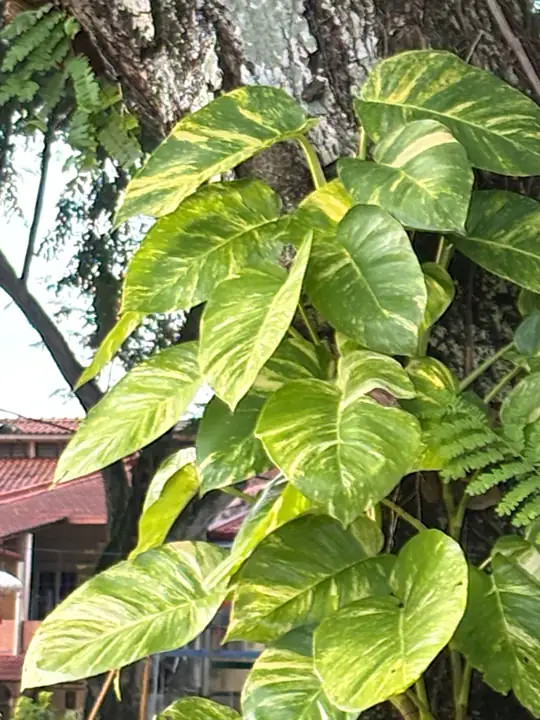
Pothos is a trailing aroid from the Society Islands that adapts to many homes. Give it bright indirect light, check the potting mix before you water, and let water drain away. It tolerates lower light, but growth slows and variegated leaves can turn greener. The ASPCA lists it as toxic to cats and dogs. NC State Extension
Light
Bright, indirect light suits pothos best: a well-lit spot where the sun does not beam onto the leaves for hours. It survives for long periods in low light, which is why it is common in offices. Expect smaller leaves, longer gaps between them and less yellow or white marbling in a dim corner. NC State Extension
If a variegated plant is fading to plain green, move it a little closer to a window and watch the next few leaves. Our indoor light guide explains how to read a position across the day.
How to check before watering
Pothos wants a well-drained mix that dries out between waterings. Push a finger into the mix: if the upper few centimetres feel dry and the pot is noticeably lighter than after its last watering, water slowly until it runs from the drainage holes, then empty the saucer. If the mix still feels cool and damp, wait and check again in a few days. NC State Extension
A reminder is a prompt to look, not proof that the plant is thirsty. The watering guide covers pot weight and other clues.
Potting mix and pot
Use an ordinary free-draining houseplant mix and a pot with drainage holes. A decorative outer pot is fine if you lift the inner pot out to drain. Pothos does not need a large container; move up one size only when roots are circling and the mix dries unusually fast.
Humidity and temperature
Average room air is usually enough. In very dry, heated rooms, NC State Extension suggests a humidifier or a tray of wet pebbles to raise humidity around the plant. Pothos is a tropical climber, so keep it in a warm room, away from cold windows and draughts in winter. NC State Extension
Feeding
During active growth, feed about every other month with a houseplant fertilizer at the label rate. Skip feeding in winter, when growth slows. NC State Extension
Common problems
- Blackening leaf edges and soft stems: NC State links these to overwatering and root rot. Check the mix and roots before adding more water.
- Loss of variegation: usually too little light.
- Pests: look for mealybugs, scale and thrips along stems and under leaves.
One yellow leaf does not identify a cause. Work through the yellow-leaf checks before changing several things at once.
Propagation
Pothos roots readily from stem cuttings. Cut a piece with at least one node (the bump where a leaf and aerial root meet), stand it in water or moist mix, and pot it once new roots appear. NC State notes that vines root easily in water. NC State Extension
Pets and people
The ASPCA Animal Poison Control Center lists golden pothos as toxic to cats and dogs. NC State Extension names calcium oxalate crystals as the toxic principle and lists signs such as mouth irritation and swelling, drooling, difficulty swallowing and vomiting; the sap can irritate skin. Keep trailing stems out of reach. If a pet chews the plant, contact a veterinarian or an animal poison control service. For people in Türkiye, the poison information line is 114 (UZEM). This is general information, not veterinary or medical advice.
Common questions
Can pothos live without a window?
Only with enough artificial light. Low light is still light; a windowless room needs a suitable grow light.
Why are my new pothos leaves smaller?
Low light is a common reason. Check the position before feeding or repotting.
Should I mist pothos?
Misting is not required. If the air is very dry, a humidifier or pebble tray is the option NC State describes.