 lilora
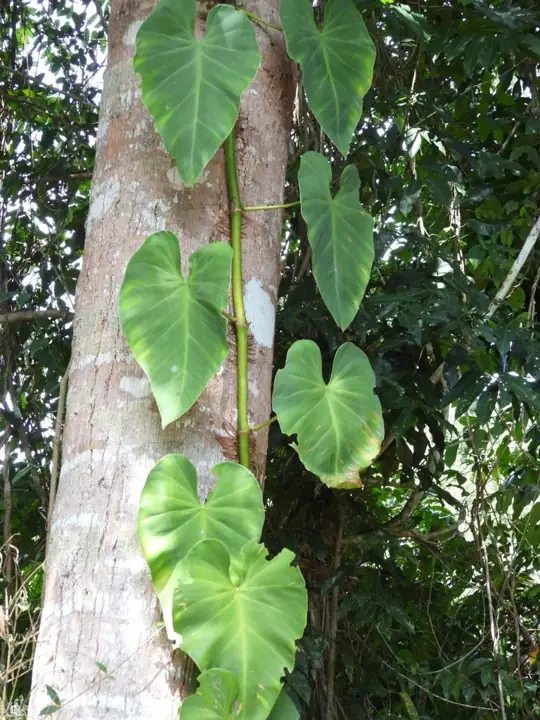
Heartleaf philodendron is a climbing aroid from Mexico and tropical America with glossy, heart-shaped leaves. It prefers medium indirect light but tolerates low light, likes slightly moist mix in growth, and roots easily from cuttings. It is often confused with pothos, which has thicker, often marbled leaves. The ASPCA lists it as toxic to cats and dogs. NC State Extension
Light
It prefers medium light and survives long periods in very low light. The Missouri Botanical Garden suggests bright indirect light and avoiding full sun; in conditions that are too dark, stems become spindly with widely spaced leaves. NC State Extension · Missouri Botanical Garden
See the indoor light guide.
How to check before watering
Keep the mix slightly moist during growth and water less in winter. Before watering, check the top few centimetres: if they feel dry, water thoroughly and let it drain; if still damp, wait. Root rot can develop in overly wet mix. NC State Extension
The watering guide explains other moisture clues.
Potting mix and pot
The Missouri Botanical Garden suggests a soil-based potting mix. Use a pot with drainage holes, and give a trailing plant a hanging basket or a moss pole to climb. Missouri Botanical Garden
Humidity and temperature
It prefers average indoor temperatures. It tolerates dry air but prefers medium humidity. Keep it away from cold windows and heating vents. NC State Extension
Feeding
Feed during spring and summer with a balanced houseplant fertilizer at the label rate; stop in winter. Pale new leaves in good light can indicate it is time to feed, but check roots and moisture first.
Common problems
- Leggy stems with small leaves: too little light. Pinch trailing stems to encourage bushier growth.
- Leaf spots and root rot: often linked to overly wet mix.
- Pests: aphids, spider mites, mealybugs and scale.
Read the yellow-leaf checks before changing care.
Propagation
Take stem cuttings with at least one node in spring, and root them in water or moist mix. NC State Extension · Missouri Botanical Garden
Pets and people
The ASPCA Animal Poison Control Center lists heartleaf philodendron as toxic to cats and dogs because of insoluble calcium oxalate crystals. The signs it lists include irritation in the mouth, pain and swelling of the mouth, tongue and lips, heavy drooling, vomiting and difficulty swallowing. NC State Extension notes that the sap can cause skin irritation. If a pet chews it, contact a veterinarian or an animal poison control service. For people in Türkiye, the poison information line is 114 (UZEM). This is general information, not veterinary or medical advice.
Common questions
How is it different from pothos?
Heartleaf philodendron has thinner, softer, more heart-shaped leaves; pothos leaves are thicker and often streaked.
Does it need a moss pole?
No, it trails well. A pole or support produces a climbing plant, often with larger leaves.
Why are the stems so long and bare?
Usually low light. Move it closer to bright, indirect light and pinch the tips.