 lilora
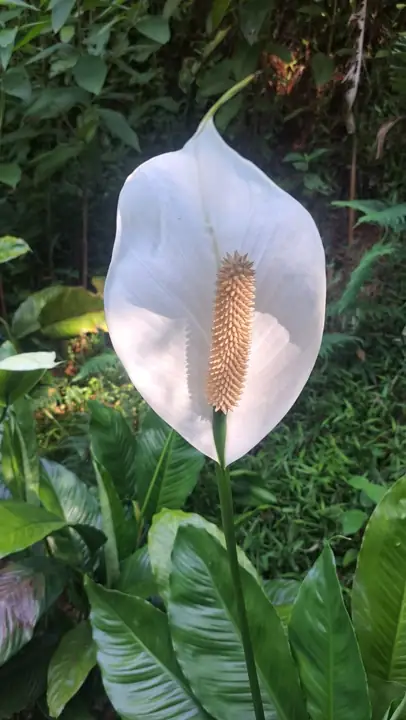
Peace lilies are shade-loving aroids from tropical America and the western Pacific. Keep them out of direct sun, keep the mix moist but never soggy, give them warmth and some humidity, and feed lightly. A drooping peace lily is a reason to check the mix, not automatically to water. The ASPCA lists it as toxic to cats and dogs. NC State Extension
Light
Peace lilies prefer partial to deep shade; NC State says not to place them in direct sun. The RHS suggests a bright spot in partial shade and advises avoiding sunny windowsills. Flowering is usually better in a brighter position than in a dark corner. NC State Extension · RHS
See the indoor light guide to tell shade from a truly dark spot.
How to check before watering
Keep the mix moist but not soggy, and let it dry slightly between waterings. Check often, because peace lilies dry faster than succulents. When the top of the mix feels just dry and the pot lighter, water thoroughly or bottom-water, which NC State says works well, then drain completely. NC State Extension
Peace lilies wilt visibly when dry, but wet roots can also cause drooping. Feel the mix before you add water. The watering guide explains how.
Potting mix and pot
NC State recommends a potting mix high in organic matter, slightly acidic and well drained. Repot when roots fill the pot; NC State suggests late winter. NC State Extension
Humidity and temperature
The ideal daytime range is about 20–29 °C (68–85 °F), with no more than about a 5–6 °C (10 °F) drop at night. Between about 4 and 16 °C (40–60 °F) growth slows considerably, and long periods below 4 °C (40 °F) can damage the plant. The RHS notes that peace lilies prefer humid air and may suffer in very dry rooms. NC State Extension · RHS
Feeding
Sources differ in detail. NC State advises feeding at a quarter of the recommended strength and flushing the mix between feeds; the RHS suggests a balanced liquid fertilizer each month at the packet rate. The shared message is to feed gently in active growth and avoid salt build-up, which can burn leaf tips. NC State Extension
Common problems
- Brown leaf tips: NC State lists direct sun, underwatering, low humidity and fertilizer salts as possible causes.
- Mealybugs: the most common indoor pest; wipe leaves with a damp cloth.
- No flowers: often too little light.
The yellow-leaf checks cover other leaf changes.
Propagation
Divide a crowded clump when repotting, keeping roots and several leaves on each division. NC State Extension
Pets and people
The ASPCA Animal Poison Control Center lists peace lily as toxic to cats and dogs because of insoluble calcium oxalates. It lists oral irritation, burning and irritation of the mouth, tongue and lips, excessive drooling, vomiting and difficulty swallowing. Despite the common name, it is not a true lily (Lilium). If a pet chews it, contact a veterinarian or an animal poison control service. For people in Türkiye, the poison information line is 114 (UZEM). This is general information, not veterinary or medical advice.
Common questions
Why is my peace lily drooping?
It may be dry, but soggy roots can also cause drooping. Check the mix first.
Is the white “flower” a petal?
It is a spathe, a modified leaf around the flower spike.
Can it grow in low light?
It tolerates shade, but flowering is usually better with more indirect light.