 lilora
A short answer
Plan your plants into the move a few weeks ahead. Check them for pests, water a few days before so the mix is moist but not dripping, pack them upright in boxes with padding, and carry them with you rather than in an unheated van if you can. In the new home, give them light similar to before, unpack them first and expect a few weeks of adjustment. If you are moving to another country, check its plant import rules before you pack: many countries, including EU member states, restrict bringing in plants. EFSA: travelling and plants
Two to four weeks before
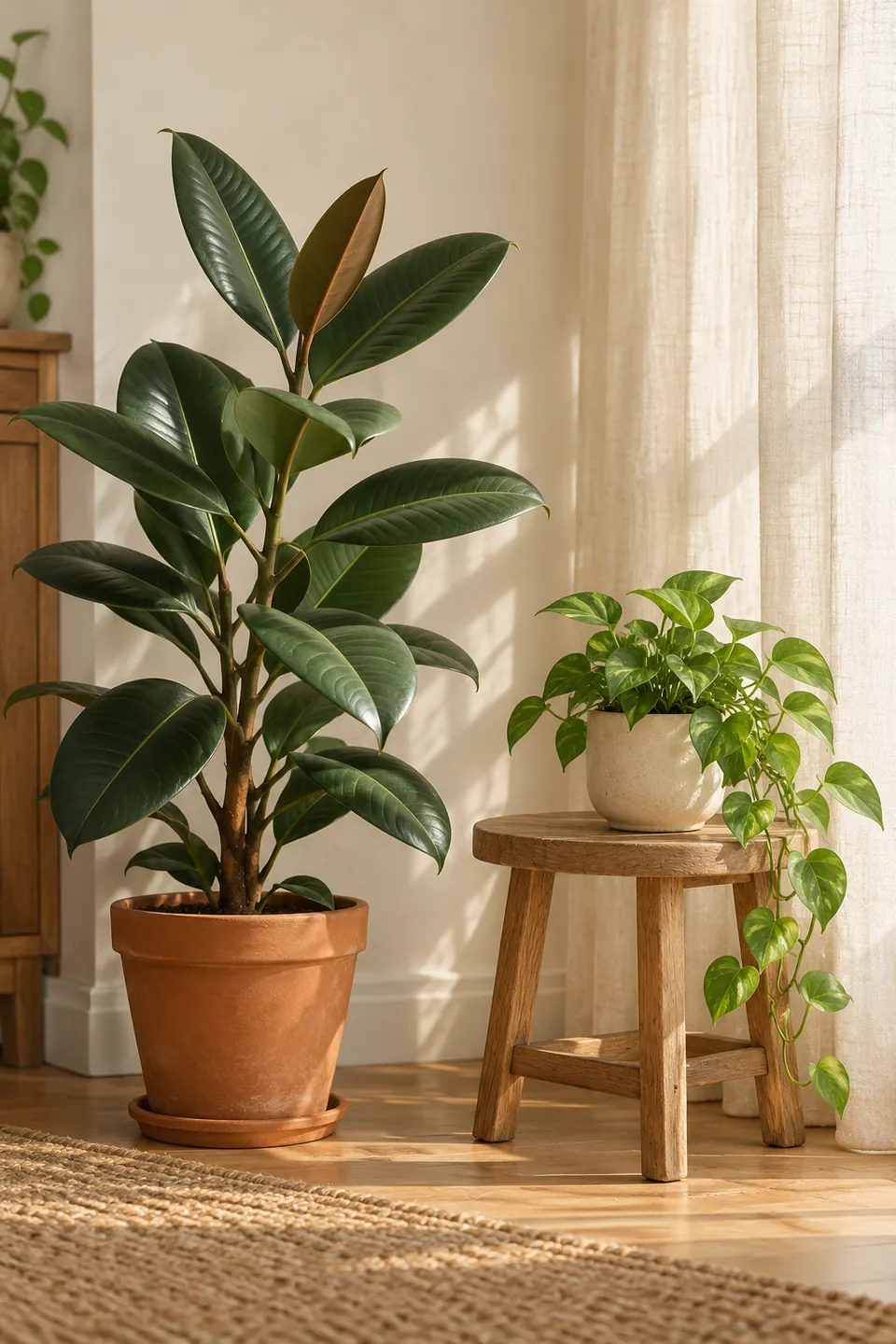
- Decide what travels. Large, fragile or struggling plants may be better given to a friend, with a cutting kept for yourself. See propagating houseplants from cuttings.
- Check for pests. You do not want to carry an infestation into a new home. Look under leaves and in leaf joints, and keep any affected plant apart. University of Minnesota Extension: houseplant pests
- Avoid repotting now, unless a pot is cracked. A freshly repotted plant is already adjusting, and the move adds stress.
- Check the rules if you cross a border. In the EU, plants and plant products from outside the EU generally need a phytosanitary certificate, even in personal luggage. Other countries have their own rules; check with the destination's plant health authority before you pack. EFSA: travelling and plants
The days before the move
- Check every plant and water those that need it two or three days before, so the mix is moist but no longer dripping on moving day.
- Trim long trailing stems you were planning to tidy anyway, or loosely tie them up.
- Collect sturdy boxes, newspaper, towels or packing paper, and plastic bags for wrapping pots.
- Keep a list of each plant, its usual position and its light needs.
Packing and transport
- Put each pot in a plastic bag or wrap the base so mix does not spill.
- Stand pots upright in boxes and fill gaps with paper or towels so they cannot tip.
- Leave the tops open, and label boxes "Live plants – this side up".
- Load plants last and unload them first.
- Carry them in the passenger area of a car if you can. Avoid a closed boot, a hot parked car or an unheated van in cold weather.
Temperature extremes and sudden changes cause leaf drop, browning and wilting in houseplants, so the hours in transit matter. University of Maryland Extension: non-living causes of indoor plant problems In cold weather, wrap plants in paper before carrying them out. In hot weather, never leave them in a parked car in the sun.
In the new home
- Unpack plants the same day. Remove wrapping and give them air.
- Match the light they had before as closely as you can, then adjust. A sudden move from dim to strong direct sun can scorch leaves; increase light gradually. Illinois Extension: moving houseplants indoors Our indoor light guide helps you read new windows.
- Check the mix before watering. New rooms dry pots at a different rate, so start checking again rather than continuing the old routine; see how to water without a rigid schedule.
- Do not feed or repot for a few weeks. Let roots settle first.
Some yellowing or leaf drop in the first weeks is common. Persistent decline is worth investigating with yellow houseplant leaves: what to check.
If someone else looks after them during the move
If plants stay with a friend for a while, or travel separately, leave clear notes: the plant's name, how to check the mix, when it was last watered and what to do if it wilts. The RHS has practical advice on arranging care while you are away. RHS: holiday care Our guide to sharing plant care includes a simple handover list.
In Lilora, rooms can be renamed and plants moved between them, and each move appears in the plant's history. That makes it easier to remember which window a plant liked in the old flat.
Common questions
Can I send plants with the removal company?
Ask first. Many removal vans are not heated or cooled, and some companies do not accept plants. Carry the ones that matter most yourself.
How long can plants stay packed?
As briefly as possible. A day is usually manageable; several days in boxes, especially in heat or cold, is risky.
Can I take cuttings abroad instead of whole plants?
Cuttings are plants too, and the same import rules usually apply. Check before you travel.
Sources and further reading
- EFSA: travelling and plants
- University of Minnesota Extension: houseplant pests
- University of Maryland Extension: non-living causes of indoor plant problems
- Illinois Extension: moving houseplants indoors
- RHS: holiday care
General guidance, not a diagnosis. Check your species and growing conditions.