 lilora
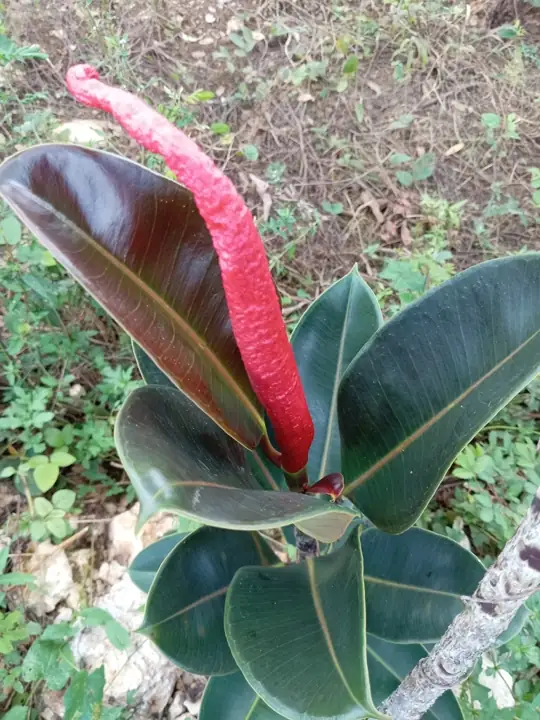
The rubber plant is a fig from the eastern Himalaya to western Malesia, grown indoors for its thick, glossy leaves. Give it bright indirect light, let the mix dry slightly between waterings, keep it above about 13 °C (55 °F) and out of cold draughts. Wear gloves when pruning because of the white sap. The ASPCA lists “Indian rubber plant” as toxic to cats and dogs. NC State Extension
Light
Indoors it prefers bright indirect light with protection from strong afternoon sun. Variegated and dark-leaved cultivars still need good light; variegated leaves need more than plain green ones. In low light, stems stretch and lower leaves fall. NC State Extension · RHS
The indoor light guide explains how to judge a window.
How to check before watering
Water regularly in spring and summer, letting the mix dry slightly between waterings. From autumn to late winter, when growth slows, keep it only just moist. Overwatering is the most common cause of leaf drop in figs, so check below the surface before each watering. NC State Extension · RHS
See the watering guide.
Potting mix and pot
NC State suggests a soil-based potting mix with good drainage. Rubber plants can grow tall; a heavy pot keeps them stable. Repot young plants in spring when roots are crowded. NC State Extension
Humidity and temperature
It needs temperatures above 13 °C (55 °F) and does poorly with cold or draughts. Medium humidity suits it; wipe dust from the leaves so they receive more light. NC State Extension
Feeding
Feed from spring to late summer with a high-nitrogen fertilizer at the label rate, and stop in winter. RHS
Common problems
- Leaf loss: overwatering, sudden temperature drops and cold draughts. NC State notes that losing a few bottom leaves is normal.
- Pests: mealybugs, scale and spider mites.
- Leggy stems: too little light; prune in late winter or early spring just above a leaf.
The yellow-leaf checks help separate normal ageing from a problem.
Propagation
Air layering works well for rubber plants in spring or late summer; the RHS notes that rooting can take about a year. Semi-ripe cuttings are another option. RHS
Pets and people
The ASPCA Animal Poison Control Center lists “Indian rubber plant” as toxic to cats and dogs; its entry gives the botanical name Ficus benjamina and names a proteolytic enzyme (ficin) and psoralen (ficusin) as toxic principles, without listing signs. NC State Extension also flags Ficus elastica as a problem for cats and dogs, and the RHS warns that fig sap can irritate skin. If a pet chews it, contact a veterinarian or an animal poison control service. For people in Türkiye, the poison information line is 114 (UZEM). This is general information, not veterinary or medical advice.
Common questions
What is the red sheath on a new leaf?
A stipule that protects the new leaf. It dries and falls off as the leaf opens.
How do I make my rubber plant bushier?
Prune just above a leaf in late winter or early spring; new shoots often form below the cut.
Is the white sap dangerous?
It can irritate skin. Wear gloves and keep it off pets and furniture.