 lilora
A short answer
As days shorten, houseplant care shifts down a gear. Bring summering plants back indoors before nights turn cold, check every plant for pests, give light-loving plants the best windows, and get ready to water and feed less. It takes an hour or two for a typical windowsill collection. The timing here is for the Northern Hemisphere, roughly September to November; in the Southern Hemisphere the same reset falls around March to May. Illinois Extension: bring houseplants indoors before the first frost
Bring outdoor plants in before the cold
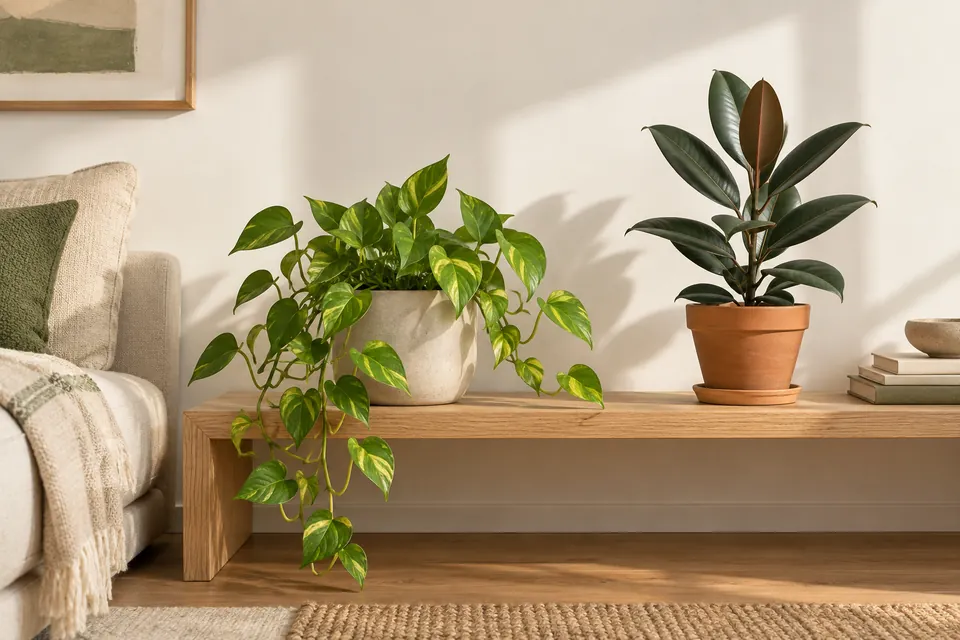
Most houseplants are tropical. Many are harmed by cool nights well before frost; Illinois Extension suggests moving them in when night temperatures fall to about 13 °C, and earlier for the most cold-sensitive tropicals, which can be damaged at around 10 °C. Illinois Extension: bring houseplants indoors before the first frost
Plants that spent summer in bright outdoor light will find a room much darker. Moving them gradually into shade for a week or two before bringing them in reduces leaf drop. Illinois Extension: moving houseplants indoors
The checklist
- Inspect every plant. Look under leaves, along stems and in leaf joints for insects, webbing or sticky honeydew. Check the surface of the mix and the drainage hole too. University of Nebraska–Lincoln Extension: bringing houseplants indoors
- Rinse and tidy. Wash dust and stray insects off foliage with a gentle spray of water, remove dead leaves and clean pots and saucers.
- Keep newcomers apart. Plants coming back from outdoors, and any new purchases, can stay in a separate spot for one to two weeks so pests have time to show. University of Minnesota Extension: houseplant pests
- Reassign the windows. Give the brightest spots to plants that need the most light, and move plants back from glass that will be cold at night.
- Clear the heat paths. Check where radiators, heaters and vents are before the heating starts, and keep foliage out of their airflow.
- Note the change in routine. Write down where each plant now stands, so later problems can be traced to a move.
- Plan to water less often. Growth slows indoors in autumn, so plants generally need less water; keep checking the mix before each watering. Illinois Extension: moving houseplants indoors
- Wind down feeding. Most houseplants are not fed through winter. UConn Home and Garden Education Center: fertilizing houseplants
- Leave repotting for spring, unless a plant has a root problem that cannot wait.
What to watch in the first weeks
A few yellow leaves after the move indoors are common while plants adjust to lower light. Watch for steady leaf loss, soft stems or pests that appear a week or two later. If leaves change colour, use yellow houseplant leaves: what to check, and for anything that crawls, start with common houseplant pests.
Water carefully in this period. A plant in a dimmer room uses less water than it did outdoors, and pots no longer dry in the wind and sun. Overwatered or underwatered? explains how to tell.
Climates that do not fit the calendar
If you live somewhere with mild winters, or in the tropics, the change may be small. The useful trigger is not a date but conditions: cooler nights, shorter days and the heating or air conditioning switching on. Brazil, Australia and South Africa have their autumn in March to May; parts of Brazil barely notice it. Use the checklist when your own season turns.
Why write it down
An autumn reset changes several things at once: position, light, temperature and watering. If a plant struggles in November, a short record of what changed and when is the quickest way to find out why. In Lilora, a room change appears in the plant's history, and checks and waterings are separate records, so the autumn slowdown is visible rather than guessed. For the months ahead, see winter houseplant care.
Common questions
Should I repot plants when I bring them in?
Usually not. Autumn is a time of slowing growth; repot in spring unless roots are in trouble.
Can I spray plants with insecticide before bringing them in?
Inspect and rinse first. Use a product only for a pest you have identified, labelled for that use, following the label.
My plant dropped leaves after coming indoors. Is it dying?
Probably adjusting. Keep it in good light, avoid overwatering and watch new growth.
Sources and further reading
- Illinois Extension: bring houseplants indoors before the first frost
- Illinois Extension: moving houseplants indoors
- University of Nebraska–Lincoln Extension: bringing houseplants indoors
- University of Minnesota Extension: houseplant pests
- UConn Home and Garden Education Center: fertilizing houseplants
General guidance, not a diagnosis. Check your species and growing conditions.