 lilora
A short answer
Feed houseplants while they are actively growing, use a houseplant or general-purpose fertiliser at the rate on its label (or weaker), and stop or cut back when growth slows in low winter light. Most indoor plants need much less fertiliser than people expect. A white crust on the mix or pot rim is a sign of too much, not too little. University of Maryland Extension: fertilizer for indoor plants
Why potted plants need feeding at all
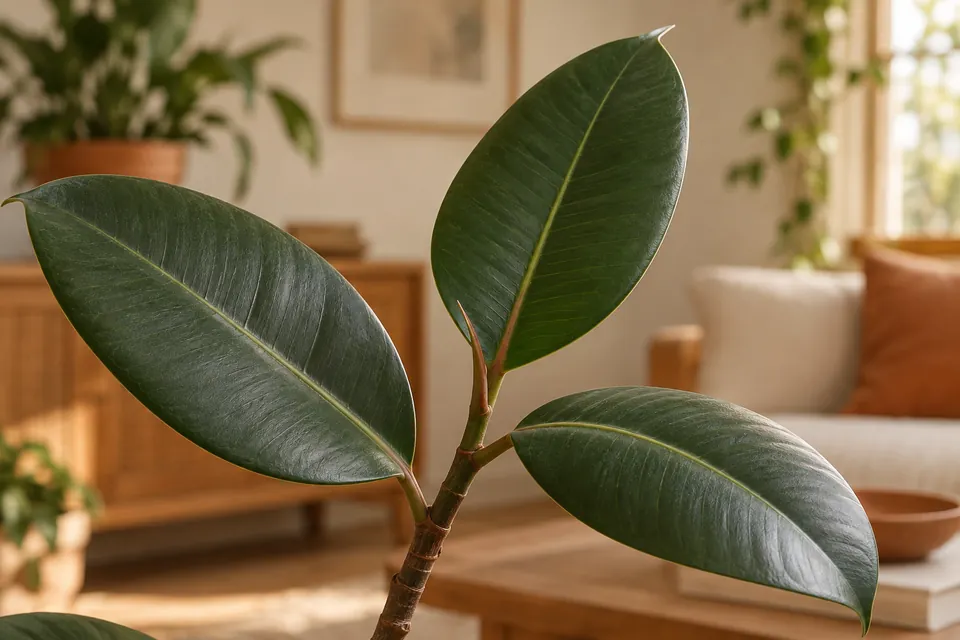
A plant in a pot draws on a small volume of mix. Watering washes some nutrients out, and fresh potting mix often contains only a limited starter supply. The RHS points out that houseplants rely on feeding for healthy growth because they have little soil to draw from. RHS: how to feed plants
Fertiliser is food for growth, not medicine. A plant that is struggling because of wet roots, poor light or pests will not be rescued by feeding, and extra salts can make damaged roots worse.
When to feed, and when to stop
Feed during active growth. UConn's fact sheet describes this as usually March to October, and recommends not feeding in winter, when reduced light and cooler temperatures leave many plants nearly inactive. UConn Home and Garden Education Center: fertilizing houseplants
Those months are for the Northern Hemisphere. In the Southern Hemisphere the growing season shifts by about six months. In tropical climates, or under strong grow lights, plants can keep growing all year; let new growth guide you rather than the calendar.
Stop or reduce feeding when:
- Growth has paused for the winter
- The plant was just repotted into fresh mix
- Roots are damaged or the plant is recovering from root rot or pests
- The mix shows a white crust
Some plants have their own rules. Orchids, for example, are usually fed with a specialist orchid fertiliser. RHS: how to feed plants
How much to use
The label is the dose. Do not guess and do not add "a bit extra". UConn notes that many water-soluble fertiliser labels suggest a monthly feed, and that you can instead give the same total amount in smaller, more diluted doses more often. UConn Home and Garden Education Center: fertilizing houseplants
A simple routine:
- Read the label for the dose for houseplants or containers.
- If the mix is bone dry or the plant is wilting, water it and feed another day.
- Measure the fertiliser with a proper measure, then mix it into the stated amount of water.
- Water it in as you normally would, until a little drains out.
- Write down the date and the product so you know when you last fed.
Slow-release granules or sticks release nutrients over weeks or months. Follow their label for quantity and do not add liquid feed on top unless the label allows it.
Signs of too much fertiliser
Fertiliser dissolves as salts. When water evaporates, those salts stay behind and can build up in the mix, sometimes as a yellow or white crust on the surface or the rim of the pot. University of California: soluble salts
Possible signs include browning leaf tips and edges, wilting, poorly formed leaves, damaged root tips and that white crust. These can also come from other causes, so read them together with the mix and roots. UConn: houseplant fertilization
How to flush out excess salts
- Scrape off any crust on the surface of the mix.
- Take the plant to a sink, bath or outdoors where water can drain freely.
- Water slowly and thoroughly so plenty of water runs through the pot.
- Let it drain completely before returning it to its saucer.
- If the salt build-up is heavy, repot into fresh mix instead.
UConn suggests leaching with plenty of water, making sure it drains freely, or repotting into fresh mix. UConn: houseplant fertilization Pause feeding for a while afterwards.
If the pot has no drainage hole, flushing is not possible; see potting mix and drainage.
Before you blame nutrients
Pale or yellow leaves can come from nutrient shortage, but also from overwatering, too little light, cold or old age. Work through yellow houseplant leaves: what to check, check the roots with overwatered or underwatered?, and make sure the plant has enough light with our indoor light guide. Feeding only helps a plant that has the light and healthy roots to use it.
Common questions
Can I use garden fertiliser on houseplants?
Only if the label covers container or indoor plants, at the rate given for them.
Should I feed a newly bought plant?
Usually not straight away. Let it settle in for a few weeks, and check the roots and mix first.
Is organic fertiliser gentler?
Not automatically. Any fertiliser can harm roots when overused. Follow the label.
My plant has stopped growing in winter. Should I feed it?
No. In low light, growth slows naturally. Feeding then adds salts the plant cannot use.
Sources and further reading
- University of Maryland Extension: fertilizer for indoor plants
- RHS: how to feed plants
- UConn Home and Garden Education Center: fertilizing houseplants
- University of California: soluble salts
- UConn: houseplant fertilization
General guidance, not a diagnosis. Check your species and growing conditions.